
A fan of cards, a dealer at a table and a row of reel symbols each create a different kind of scene. In this Refuel feature, they offer three ways to look at casino imagery: the close detail of a hand, the human presence of a live presentation and the movement of colour across a screen.
The scenes in this article are general illustrations of casino formats. Refuel is an independent information publication; its account panels are previews and are not connected to account access, real-money games or transactions.
The character of a small hand
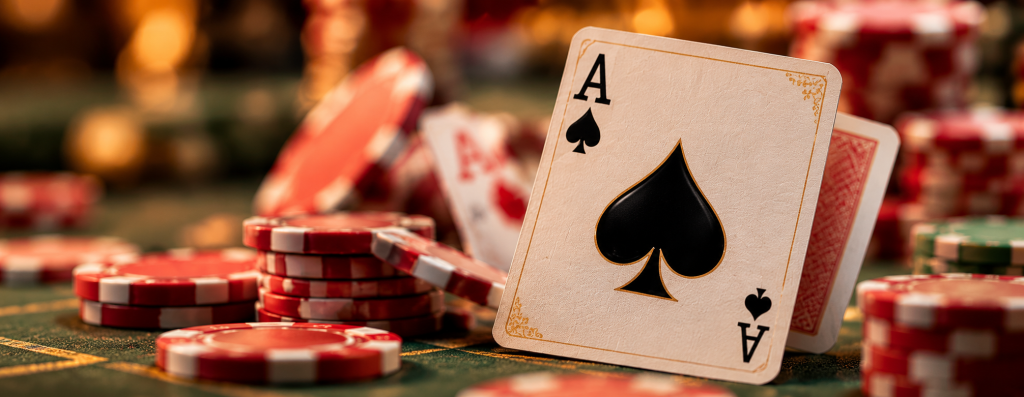
Cards invite attention to small details. A corner reveals a rank; a suit adds a recognisable shape; a coloured back gives the other side of the card its own pattern. Together, those details can make a quiet tabletop feel visually rich without filling every part of the frame.
Pagat’s traditional Teen Patti account describes a form associated with three-card hands. In an illustration, that compact group can sit close to a person’s chest or rest against the green of a table. Its scale makes the space around it matter: a sleeve, a shadow and the edge of the felt all become part of the picture.
The contrast between what is held privately and what is shared around a table gives card imagery a distinctive mood. A face, a posture or the way a hand is held can carry as much visual weight as the cards themselves. The scene feels concentrated because the viewer’s attention keeps returning to a few small objects.
A table with a centre
Pagat’s Andar Bahar account describes a card game associated with a central card and two named sides. As an image, the layout has a different balance from a hand held close. The eye moves between a clear centre and the spaces on either side.
That arrangement lends itself to strong lines and symmetry. A wide view can show the whole surface at once, while a closer view gives the card faces and the texture of the table more room. Even a simple palette of red, black and green creates a composition with an immediate focal point.
Names have a visual role as well as a practical one. Placed beside the table, Andar and Bahar divide the scene into two clearly identified areas. The words help give this format an identity of its own within a broader collection of card imagery.
A larger fan of cards
Pagat’s Paplu Indian Rummy account describes a form associated with 13-card hands and groups of cards. A larger fan changes the shape of the picture. Ranks and suits repeat across a wider space, creating patterns that hold the eye.
Here the visual interest lies in the relationship among several cards. A sequence of numbers can carry the eye across the hand; matching shapes and colours give it a sense of order. Against a plain background, the white edges of the cards make a rhythm of their own.
Compare that broad arrangement with the spare image of three cards or the balanced surface of two named sides. All use the same familiar material, yet each leaves a different impression. One feels compact, another architectural, and another like a mosaic made from small repeated marks.
The human rhythm of a live table
In an imagined live-table presentation, a dealer gives the table a human presence. The presenter’s voice and gestures bring the image to life. A greeting, a pause or a change of expression can shape the mood as clearly as the lighting.
The camera’s distance makes a difference. A wide shot places the dealer within the room and shows the proportions of the table. A closer view lets the viewer notice hands, card faces and the surface beneath them. The shift places a familiar card in two contexts: first as part of a room, then at the centre of attention.
A measured voice may make a scene feel conversational, while the soft movement of cards and the surrounding room tone give it texture. Silence has a place too: a brief pause can draw attention back to the table and leave space for the image to breathe.
Design choices contribute to that atmosphere. Deep colours can make a table feel formal; brighter accents can make it feel lively. Clothing, light and background belong to the same visual composition as the cards. The result is a scene built around a person and a shared point of view.
Reels as a visual language
Reels shift attention from a person to a changing field of symbols. Cherries, bells and sevens have a direct graphic appeal: each can be recognised at a glance, even when it appears only briefly in a small window. Their simple shapes also give a designer room to work with colour and contrast.
A reel theme can be more elaborate than those familiar motifs. An imagined design might use a night sky, illustrated creatures or the colours of a festival. The symbols and their background can feel like parts of the same little world, with type, borders and light all supporting the mood.
Movement gives that world its rhythm. A still card illustration can hold a single moment, while animated symbols bring changes of pace and direction to the screen. The spacing between shapes matters: a crowded composition feels different from one that gives each symbol room to stand out.
Sound can make a reel design feel brisk or relaxed. A short chime, a musical phrase or a softer background track changes how a visual moment is perceived. The same symbols could feel playful in one setting and theatrical in another, depending on the way sound and colour work together.
Three ways to frame a moment
Cards, live tables and reels all use repetition, but they direct attention differently. Cards invite a close look at ranks, suits and the space between hands. A live presentation adds a voice and a person. Reels turn the symbols themselves into the centre of the scene.
Each can be described through its own details: the edge of a card, the warmth of a table’s lighting or the colour of a bell against a dark background. Those details give the wider casino theme variety without asking every image to tell the same story.
This Refuel feature brings the three forms together as a study in atmosphere. From a quiet tabletop to a lively arrangement of symbols, their different visual and audible rhythms make the subject more interesting to explore.